Home
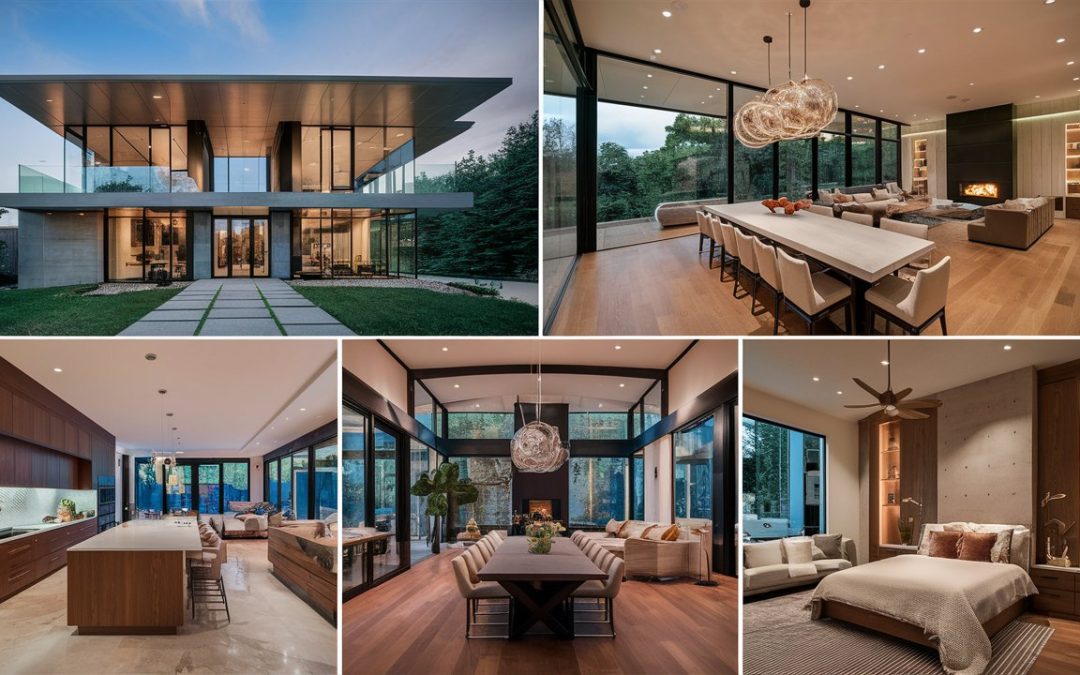
Building a new home is an exciting journey, and choosing the right home builder is crucial for ensuring that your custom home becomes a reality. Local home builders offer unique advantages that can make the building process smoother and more satisfying. This blog will explore the key benefits of hiring a local home builder, the advantages of building a custom home, tips on choosing the right builder, and how to find the perfect match for your project.
Benefits of Building a Custom Home
Personalized Design
One of the main benefits of building a custom home is the ability to create a space tailored to your lifestyle and preferences. From the floor plan to the finishes, every detail can be customized to meet your needs and tastes.
Quality Materials
Custom home builders often use higher-quality materials compared to mass-produced homes. This ensures that your home is not only beautiful but also durable and built to last.
Energy Efficiency
Custom homes can be designed with energy efficiency in mind. You can choose eco-friendly materials and modern technologies that reduce energy consumption and lower your utility bills.
Unique Features
Building a custom home allows you to incorporate unique features that reflect your personality and style. Whether it’s a home theater, a gourmet kitchen, or a luxurious master suite, the possibilities are endless.
How Do I Find a Builder?
Research and Recommendations
Start by researching local builders in your area. Ask friends, family, and neighbors for recommendations. Online reviews and testimonials can also provide valuable insights into a builder’s reputation and quality of work.
Check Credentials
Ensure that the builder you are considering is licensed and insured. Check for memberships in professional associations, which can indicate a commitment to high standards and ongoing education in the industry.
Visit Model Homes
Many builders have model homes that you can visit. This gives you a chance to see their work firsthand and get a feel for the quality and style of their homes.
How to Choose a Custom Home Builder?
Define Your Needs
Before you start comparing builders, define your needs and budget. Knowing what you want in a home and how much you are willing to spend will help you narrow down your options.
Compare Home Builders
Create a shortlist of potential builders and compare their portfolios, pricing, and services. Look for builders who have experience with the type of home you want to build and who can work within your budget.
Interview Builders
Set up meetings with the builders on your shortlist. Ask about their experience, process, and timeline. Discuss your vision for your home and see if they are a good fit for your project.
Check References
Ask for references from past clients and follow up with them. Inquire about their experience working with the builder, the quality of the work, and whether the project was completed on time and within budget.
What Are the Benefits of Builders?
Expertise and Experience
Professional builders bring a wealth of expertise and experience to the table. They have the knowledge and skills to handle all aspects of the building process, from design to construction.
Project Management
Hiring a custom home builder means you have a project manager who will oversee the entire construction process. This includes coordinating with subcontractors, ensuring timelines are met, and managing the budget.
Quality Assurance
Builders are committed to delivering high-quality work. They have access to the best materials and subcontractors, and they adhere to strict building codes and standards.
Warranty and Support
Most builders offer warranties on their work, providing you with peace of mind. If any issues arise after you move in, your builder will be there to address them.
Conclusion
Choosing a top custom home builder can provide numerous benefits, from personalized design to quality assurance. By following the tips outlined in this blog, you can find the right builder for your project and ensure that your home becomes a reality. Whether you’re interested in the benefits of building a custom home or looking to compare home builders, taking the time to research and select the right builder is a crucial step in the home-building process.
Home
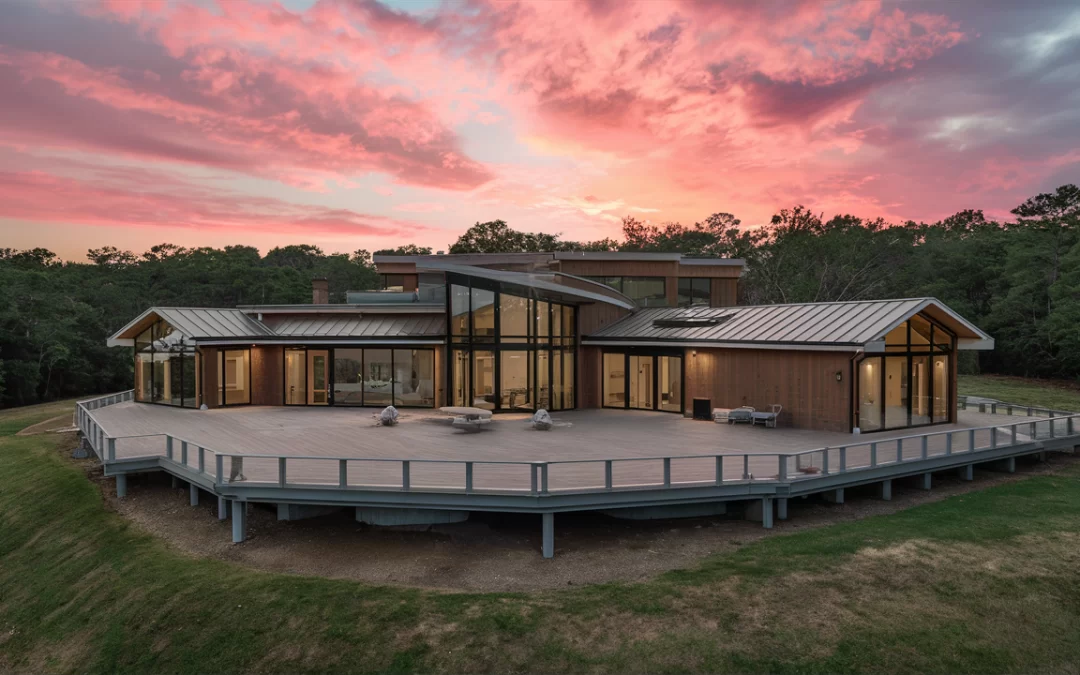
Building a custom home is a dream for many, but how long does it take to turn that dream into reality? Let’s dive into the details and get a clearer picture of the timeline, so you know exactly what to expect when you build your custom home.
Typically, building a fully customized home from the ground up takes anywhere from 9 months to 2 years. This timeline reflects the detailed nature of crafting a true custom home, tailored specifically to a homeowner’s preferences and needs. For semi-custom homes, where modifications to existing plans are made, the construction might be expedited, potentially taking only 6-9 months. This faster timeline assumes optimal conditions including an experienced construction team and favorable circumstances. However, for a fully personalized home, planning for at least 10 months of construction is a prudent estimate.
What is a custom home, and why choose one?
First off, a custom home is exactly what it sounds like: a one-of-a-kind house designed to meet your specific wants and needs. Unlike production houses that are built en masse, custom homes are personal projects that reflect your style, preferences, and lifestyle. Choosing to design a custom home means you get to decide on everything from the layout to the materials and finishes, ensuring that when you finally turn the key, it feels unmistakably yours.
Planning and Pre-construction: It’s All in the Details
Before any construction starts, there’s a lot to figure out in the planning and pre-construction stages. This phase can stretch from just a few months to an entire year. How long it takes really depends on how fast you make decisions and the complexity of the design you have in mind. During this phase, you’l
Factors That Can Increase the Timeline:
l be working closely with your architect to bring your custom home to life, at least on paper for now.
It’s an exciting part of the process where you can see your ideas take shape in the designs and plans. You might spend time tweaking and adjusting, making sure everything is just right. This is your opportunity to explore different styles, layouts, and materials, ensuring that every detail aligns with your vision. Remember, good planning now can save a lot of time and effort during construction.
- Complex Designs: More intricate and unique home features require more detailed planning and potentially more specialized construction skills.
- Changes in Plans: Modifications to the design during the building process can significantly extend the timeline.
- Availability of Materials: Delays in material supply, whether due to market shortages or logistical issues, can push back construction schedules.
- Weather Conditions: Extreme weather can halt construction temporarily, especially in regions prone to heavy rains, snow, or hurricanes.
- Permit Delays: Sometimes, the approval process for building permits takes longer than anticipated, particularly in areas with strict regulations.
Permits and Paperwork: Navigating the Maze
Getting the necessary permits might not be the most exciting part of building a house, but it’s essential. The timeline for this step can vary widely—it might take a month, or it could drag on for several months, depending on your local government’s speed and the specifics of your project. This phase is about ensuring your dream home plans align with local laws and building codes. It involves a lot of paperwork and waiting. While it can feel slow and sometimes frustrating, this step is crucial for ensuring that everything in your home will be built to standard and approved by local authorities. Patience is key here; navigating this maze of permits is critical to making your custom home a reality.
How to Move Your Project Forward Faster:
- Streamlined Decision-Making: Be clear about what you want from the beginning and try to stick to your initial decisions to avoid delays from changes later on.
- Hire Experienced Professionals: Working with experienced architects, builders, and contractors who can foresee potential issues and handle them efficiently can speed up the process.
- Pre-emptive Planning for Materials: Order materials well in advance and consider alternatives that are readily available to avoid waiting periods.
- Regular Communication: Maintain open lines of communication with your team. Regular meetings can help keep everyone on track and address issues promptly.
- Prepare for Weather Delays: If you’re building in an area with known weather issues, plan your schedule with some buffer time to accommodate possible delays.
Construction: Laying the Foundation and Beyond
The construction phase of building a custom home is where your dreams begin to take physical shape, and it typically spans 10 to 16 months. However, the actual duration can vary significantly based on several factors including the complexity of your design, the whims of the weather, and the availability of both materials and skilled labor. During this time, your custom home builder is in their element, diligently working to transform detailed blueprints into a sturdy, inhabitable structure.
The construction kicks off with laying the foundation, a critical step that sets the stage for everything that follows. After the foundation, the structure starts to rise with the framing stage, where walls and roofs are shaped. This skeleton forms the basic outline of your home. Following framing, the roofing is installed to protect the interior from the elements, signaling that the house is ready for the more intricate internal work.
Next, the installation of electrical and plumbing systems begins, which are vital for making the house functional. Windows and insulation are added around this time, sealing off the external environment and enhancing energy efficiency. The house now starts looking more like a home, setting the stage for interior and exterior finishes that will define its aesthetics.
Finishing Touches: The Devil is in the Details
As the bulk of construction wraps up, attention turns to the interior finishes—the details that will transform the structure into a cozy, inviting home. This phase is where your personal taste comes to the forefront, from selecting the perfect kitchen cabinets and countertops to choosing the ideal flooring and wall colors. It’s not just about beauty; these choices also need to be functional and durable, balancing aesthetics with practicality.
Whether you’re working to build a custom home on a budget or have the leeway to indulge in more luxurious finishes, this stage is your opportunity to tailor every aspect to your liking. Lighting fixtures, bathroom fittings, paint finishes, and even the smallest of hardware are selected to complement the overall design theme. This meticulous process ensures that each room reflects your desired ambiance and functionality.
Final Walkthrough and Handover: The Moment of Truth
Once all construction and finishing work is completed, the moment you’ve been waiting for finally arrives—the final walkthrough. This is your first opportunity to inspect the craftsmanship, the finishes, and the operational aspects of your new home. It’s a critical step to ensure that everything meets your expectations and is functioning as intended. Any discrepancies or issues can be addressed before the official handover.
During this walkthrough, look at every detail with a critical eye, from the way doors close to the finish on the kitchen counters. This is also the time to ask questions about anything from warranty details to maintenance tips. Once everything checks out, you’ll receive the keys to your new custom home. Now, it’s time to move in, decorate, and start enjoying the space crafted specifically for you. This transition marks the end of a long journey but the beginning of a new chapter in a space that’s uniquely yours.
Wrapping Up
So, how long does it take to build a custom home? While the timeline varies, you can generally expect the process to take anywhere from a year to two years from conception to completion. Remember, building a custom home is not just about constructing a house, but about creating a personal haven tailored to your unique needs and dreams.