
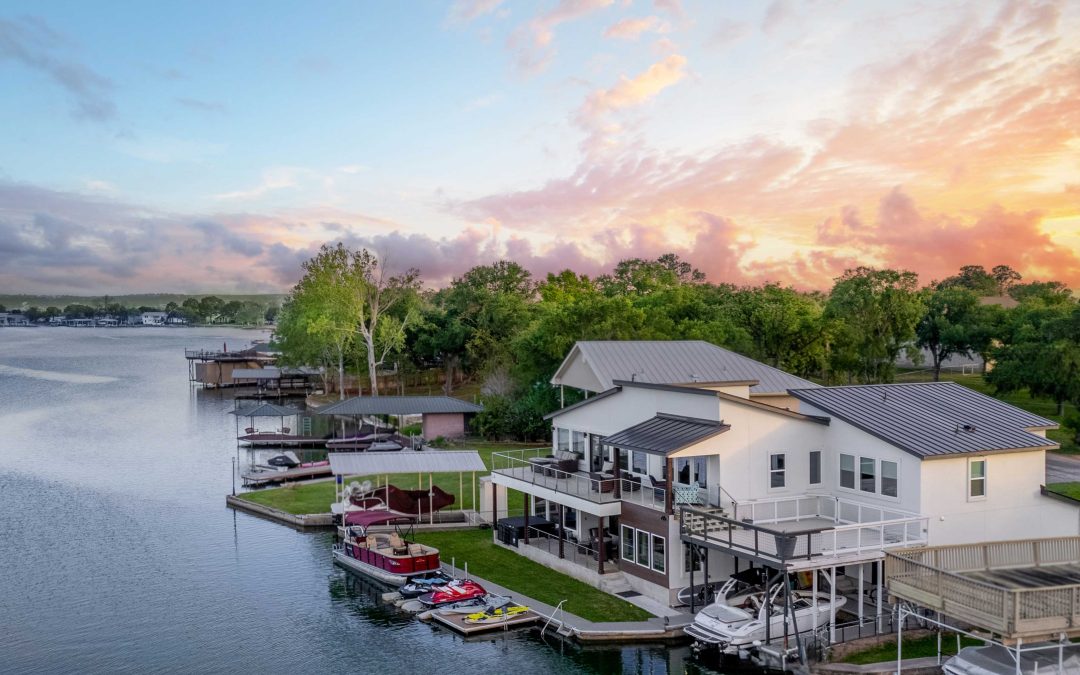
Building a luxury home in the Texas Hill Country is very different from building in a suburban neighborhood. The land, the infrastructure, and even the pace of the process require a different mindset. As Texas Hill Country home builders, we spend a lot of time helping clients understand that the beauty of this region is also what makes building here more complex—and why experience matters so much.
From granite, rocky soil, and elevation changes to limited utilities and long driveways, Hill Country properties demand planning that goes well beyond selecting a floor plan. Whether you are building on acreage, in a rural subdivision, or near one of the Highland Lakes, the right approach makes the difference between a smooth project and a stressful one.
Working with experienced texas home builders who understand both regional conditions and construction practices is essential when building in the Hill Country.
Understanding What Makes the Hill Country Unique
The Texas Hill Country is defined by its geology and terrain. Much of the region sits on shallow soils over limestone or granite, which directly affects excavation, drainage, and foundation design. Texas A&M AgriLife Extension notes that these soil conditions often shift with moisture and require thoughtful structural planning.
As custom home builders in the hill country, we evaluate each site early to understand slope, soil depth, rock presence, and natural drainage patterns. These factors influence everything from foundation type to how water moves across the property during heavy rain.
Weather also plays a role. Intense rainfall events combined with rocky soil mean water tends to move quickly across the surface instead of soaking in. Without proper grading and drainage, erosion and foundation stress can become long-term issues.
Designing Homes That Fit the Land, Not Fight It
Luxury homes in the hill country should feel connected to their surroundings. That starts with orientation. Views, breezes, sun exposure, and privacy all need to be considered before plans are finalized. This is especially true for hill country custom homes built on acreage or elevated sites.
As luxury home builders in the hill country, we design homes that step with the land instead of forcing it flat. This typically involves the use of engineered foundations, meticulously designed retaining walls, and configurations that adapt to the natural contours of the terrain. These selections extend beyond mere aesthetics; they also pertain to the functionality and durability of an item.
Selecting appropriate materials holds equal significance. When constructing residences in rural hill country regions, it is essential that they are designed to withstand heat, wind, and seasonal weather fluctuations, all while ensuring comfort and energy efficiency.
Navigating Rural Infrastructure and Utilities
People often overlook infrastructure, yet it is a crucial element in development within the hill country. Many residences depend on extended utility lines, private wells, and septic systems. Roads can be private or taken care of in a different way than city streets.
As rural home builders in Texas, we help clients understand these realities early. Septic placement, well depth, electrical service distance, and access for construction equipment all affect both cost and timeline. Addressing these factors upfront avoids delays and budget surprises later.
In many hill country areas, permitting and inspections vary by county or municipality. Knowing how to navigate that process efficiently is part of what experienced hill country residential builders bring to the table.
Why Early Builder Involvement Matters
One lesson Steve Zbranek has taught builders and homeowners for years is that the earlier the builder is involved, the better the outcome. This is especially true in the hill country.
When builders are brought in after plans are completed, we often see designs that do not fully account for site conditions. Adjustments then become reactive instead of proactive. Early involvement allows us to align design, engineering, and budget from the start.
As Texas hill country home builders, we believe the land should inform the design—not the other way around.
Building Luxury in a Country Setting
In the hills, an abundance of something does not equate to luxury. It relates to the quality, comfort, and how seamlessly it integrates with the surrounding environment. Many clients prefer this area due to its privacy, ample space, and relaxed atmosphere, in contrast to neighborhoods that lack diversity.
That is why luxury home builders in the hill country must balance refined construction with practical considerations like long-term maintenance, accessibility, and durability. A well-built hill country home should feel intentional and timeless, not overworked.
The hill country region continues to attract homeowners looking for this balance of beauty and livability.
More about our region: https://www.traveltexas.com/articles/texas-hill-country/
Why Christopher’s Custom Homes Fits the Hill Country
At Christopher’s Custom Homes, we do more than build in the Hill Country—we understand it. We work with the land as it exists, whether that means granite underfoot, long rural driveways, or limited utilities. Our process emphasizes early site evaluation, transparent planning, and thoughtful design.
As trusted custom home builders in Texas, we combine local expertise with a broader understanding of building standards across the state.
As custom home builders in the hill country, we help clients navigate soil conditions, drainage planning, and infrastructure decisions before construction begins. That experience allows us to deliver homes that perform well long after move-in day.
We believe great hill country custom homes start with listening, planning, and playing with the land.
Last Thoughts Before You Start Building
One of the most crucial decisions you can make when constructing in the hill country is selecting the appropriate builder. Experience in rural areas, as well as knowledge of land and infrastructure, holds equal significance to skill.
If you are considering hiring builders for a home in the Texas Hill Country, it is important to understand how they approach site planning, utility installation, and ensuring the longevity of the house. We work here and we live and play on Lake LBJ and are happy to answer your questions on your build journey.