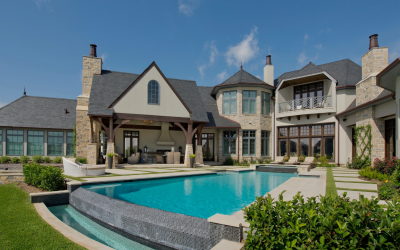
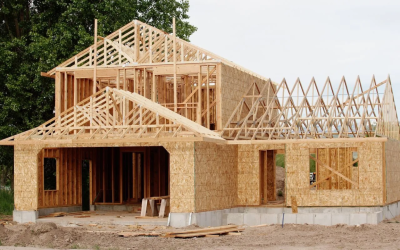
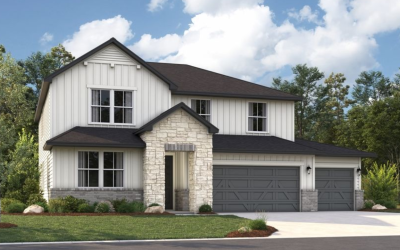
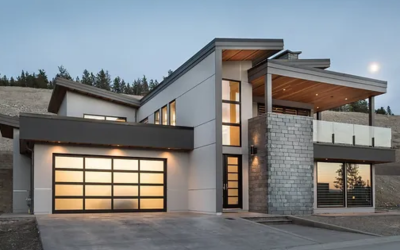
Step-by-Step Guide to Custom Home Builders in Granite Shoals

Step-by-Step Guide to Custom Home Builders in Granite Shoals

Building a home in Granite Shoals is exciting, but it also comes with the unique challenges of the Texas Hill Country. Whether the lot sits near Lake LBJ or on a quiet inland street, the land here has a personality of its own. Shallow soils, exposed rock, slope, and rapid rainfall runoff are common across much of the region, and those natural conditions shape every decision we make as your custom home builder Granite Shoals. Understanding the land is the first step in building a home that performs well long-term and feels right from the moment you walk in the door.

The Hill Country may look rugged, but the underlying soils are often thin or clay-based, which means drainage and foundation design matter even more. Texas A&M Agrilife Extension notes that many local soils shift with moisture and sit over limestone or granite layers that require thoughtful preparation before construction begins.

With that in mind, here’s how we guide clients through a smooth, step-by-step building process in Granite Shoals.

Define Your Goals and Understand the Lot

Every project starts with a conversation. We want to know how you plan to live in the home, what matters to you, and which parts of the property catch your attention. Some homeowners want their kitchen to overlook the natural landscape; others want outdoor living spaces that take advantage of breezes or shade. Once we understand your priorities, we walk the lot together so we can see how the land matches your vision.

We look at the slope, soil depth, natural drainage paths, the presence of rock, and the best places for structures, utilities, or septic systems to work. These early ideas help shape the site design, the foundation plan, and the home orientation. It’s a smart way to start that keeps surprises away from your job site.

Navigating permits, codes, and local rules

The City of Granite Shoals has a structured permitting process for building. The city follows modern codes for building, plumbing, electricity, and energy. All new homes need a permit.

The Lower Colorado River Authority (LCRA) also has an impact on some parts of the region. The LCRA is in charge of protecting watersheds throughout the Highland Lakes system. Not every lot is subject to watershed rules, but many are. This means that runoff, grading, and erosion control must be done in a responsible way. The Highland Lakes Watershed Ordinance sets rules for protecting water quality and controlling activities that disturb the land.

We take care of all of this for you so that the process goes smoothly and as planned.

Design the home to conform to the actual terrain.

We start planning your home as soon as we know what the land and permits need. This is where the Hill Country really makes a difference in the project. Engineered foundations that don’t move over time are good for homes built on sloped or shallow soil. It may be necessary to carefully grade interior lots so that water flows away from the building. Lots near a lake may also need extra drainage planning.

We explain how each site condition affects the design so that you know exactly why some choices are made in the plans. It’s a conversation that brings clarity and allows you to make confident decisions. This is also where your budget becomes more refined, because Hill Country lots often involve excavation, utility planning, or rock work that needs to be accounted for early.

When we serve as your best custom home builder in Granite Shoals, our focus is aligning your vision with the practical realities of the land so the end result is both beautiful and durable.

Prepare the Site and Establish a Strong Foundation

Once permits are approved and plans are finalized, we prepare the property. This may involve clearing only what’s necessary, shaping the land to direct rainwater safely, and stabilizing areas where soil is shallow. Granite Shoals has both flat interior parcels and gently sloping granite-based lots, and each requires different preparation.

Foundations are engineered specifically for your lot. Some homes do better with pier-and-beam systems that let them move across different types of soil or out of flood zones. Others do better with raised slabs that can handle both slope and soil changes. When you hire modern custom home builders in Granite Shoals, you know you’re getting a team that won’t try to fit everyone into the same mold. Every choice is made on purpose and fits the property.

Build with Quality, Climate Awareness, and Local Expertise

As construction begins, we pay close attention to moisture control, insulation, air sealing, and window performance. Even elements like rooflines, overhangs, and outdoor transitions are designed with local weather in mind.

Regardless of if the lot is in the middle of the country or near the water, drainage is still very important. We make sure that water flows away from the building and not toward it. This is an important part of building that many homes in the Hill Country forget about. This is why hiring a custom house builder in Granite Shoals with real experience in the area makes your investment last longer.

Review the Finished Home and Plan for Long-Term Care

When the house is finished, we walk through it together to make sure everything works as it should. We discuss how to care for landscaping on rocky or clay-based soils, how drainage operates during heavy rains, and how to maintain systems efficiently over time. Our goal is for your home to feel intuitive, comfortable, and ready for many years of Hill Country living.

Why Christopher’s Custom Homes Is the Right Choice in Granite Shoals

Clients choose us because we understand the terrain—not just lakefront properties, but all Hill Country lots that come with their own complexities. We design foundations around lots conditions, shape drainage plans that match the land, manage every permit, and keep communication open throughout the process.

When you build with us, you’re choosing a home construction specialist Granite Shoals who respects the land, honors your vision, and builds with the level of care this region deserves.

If you’re exploring your options, we’d be glad to walk through the process with you.

Texas Home Builders: 2025 Trends for New Custom Homes

Texas Home Builders: 2025 Trends for New Custom Homes

When families begin exploring the idea of building a home in the Texas Hill Country, the first thing they’re usually curious about is how modern homes are changing. Not the quick seasonal trends, but the real shifts happening in the way people want their homes to function. As Texas home builders working in the hill country areas around Lake LBJ and Lake Buchanan, we’re seeing homeowners prioritize comfort, warmth, connection to nature, and spaces that support everyday life a little more gracefully.

These preferences aren’t random—they line up closely with what national research shows. Houzz’s newest 2025 trend studies point toward natural materials, softer lines, warmer palettes, and layouts that feel open without being overwhelming (Houzz, “34 Home Design Trends That Will Define 2025”). Realtor.com reports a sharp rise in the number of homes emphasizing indoor–outdoor flow, energy readiness, and “quiet luxury,” a term describing homes that feel grounded, calm, and intentionally designed (Realtor.com, 2025 Home Trends Report). When you blend these findings with the way Texans naturally live—where porches, breezes, and big windows matter more than ever—these trends make perfect sense.

A Stronger Connection Between Indoors and Out

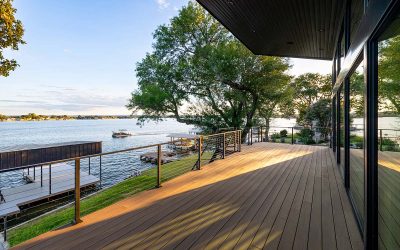
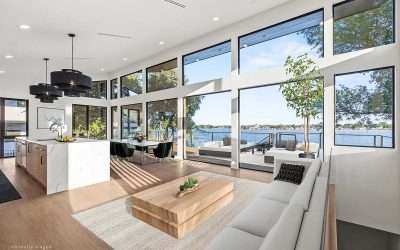
One of the strongest shifts we’re seeing is the desire for homes that blur the line between indoors and outdoors. The Hill Country landscape does a lot of the work for you. When the great room opens through wide glass walls or a kitchen overlooks a shaded patio, daily life simply feels different. Houzz’s 2025 trend report highlights this movement, noting a substantial rise in homeowners choosing organic palettes, natural stone, and expansive windows that pull the outdoors in. In the Highland Lakes region—where the land often tells its own story—this approach makes a home feel more rooted and more restful from the very beginning.

Kitchens Designed for Real, Everyday Living

Kitchens are changing in a similar way. Families are steering away from bright whites and embracing warmer, more textured materials. According to the 2025 U.S. Houzz Kitchen Trends Study, natural wood cabinetry, deeper stone colors, mixed metals, and layered lighting continue to grow in popularity. We’re also seeing more homeowners ask for dual islands, not because it’s trendy but because it just works better for the way people gather. A warm, welcoming kitchen sets the tone for the entire home, and Texas families—especially those who host often—are choosing layouts that feel lived-in, practical, and comfortable.

Bathrooms Focused on Comfort and Calm

Bathrooms are undergoing a transformation too. Houzz’s 2025 bathroom trend research shows a clear shift toward wet-room designs, curbless showers, natural woods, and muted tones that turn bathrooms into more calming spaces. Large-format tiles and cleaner lines help make the room feel open without needing additional square footage. Comfort and wellness are becoming priorities, and it shows. Homeowners want a space where the lighting feels soft, the materials feel natural, and the layout encourages a slower pace. Realtor.com supports this shift as well, noting a significant increase in listings featuring Water Sense fixtures and water-efficient design, nearly tripling year over year.

Architecture That Feels Soft, Warm, and Enduring

Something else shaping new homes in Texas is a renewed interest in architectural warmth. Modern design remains popular, but it’s evolving. Rather than sharp, strict lines, homeowners are choosing forms that feel a little softer. Houzz notes rising interest in curved openings, arched doorways, rounded island corners, and sculpted lighting details. When you combine these softer edges with natural textures—oak flooring, limestone, neutral-toned stone countertops—the home feels modern yet welcoming, which fits the lifestyle here beautifully.

Energy Efficiency Built Into the Foundation

Energy readiness is becoming part of the early planning conversation too. Families are more conscious of monthly operating costs and long-term comfort. The U.S. Department of Energy continues to highlight the value of homes built with solar-ready wiring, high-efficiency insulation, and better HVAC zoning—especially in regions with intense summers. In the Hill Country, where temperatures can fluctuate dramatically, these decisions make a measurable difference. Homeowners aren’t necessarily aiming for net-zero living, but they want the flexibility to move in that direction. Realtor.com’s 2025 study shows that listings that mention EV readiness, better insulation, and energy-efficient fixtures are becoming more common. This means that these upgrades are no longer just nice-to-haves.

Technology That Supports Daily Life Quietly

Technology is still important, but not as much as it used to be. Families don’t want flashy tech rooms or complicated systems. They want technology that fits in with their home, like motorized shades, preset lighting scenes, whole-home Wi-Fi, and basic remote monitoring. These tools support daily life without needing constant attention. For lake homes, in particular, homeowners appreciate being able to check on the property when they’re away, and modern systems make that easy without adding visual clutter.

Outdoor Spaces Built for Real Texas Living

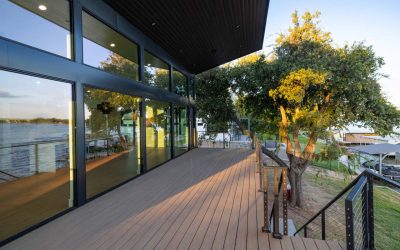
Outdoor living continues to evolve as well. Texans aren’t just looking for patios—they want outdoor rooms that feel just as comfortable as the interior spaces. Shaded terraces with ceiling fans, porch heaters for cooler months, and outdoor kitchens built for regular use are becoming more common. When these spaces are designed early in the process, they transition naturally from the interior, creating a cohesive flow that feels right for the climate and the landscape. Realtor.com notes that “year-round outdoor living” has become a major search term, indicating that more families want homes built for genuine everyday use in outdoor areas.

When all of these elements come together—warmer materials, softer architecture, functional kitchens, calming bathrooms, well-planned outdoor spaces, and energy-conscious design—you get a home that feels timeless and centered on comfort. That’s the direction custom homes in Texas are moving toward. And from our perspective as Texas Home Builders, these choices are less about following trends and more about creating homes that live well for the long term.

If you’re planning a home in the Highland Lakes or Texas Hill Country and want to explore what these ideas could look like in your own design, we’re here to help guide the process.

And when you’re ready to start a conversation, you can reach us anytime:
https://chriscustomhomes.com/contact/


What Are the Best 5 Features of Mid-Century Furniture?

What Are the Best 5 Features of Mid-Century Furniture?

Mid-century modern furniture began gaining popularity in the mid-20th century; its characteristics still hold today: sleek,  sophisticated simplicity, and functionality. The look is simple and streamlined; elegant, mid-century design is cherished by homeowners, designers, and collectors. When hoping to achieve this look in one’s interior space, it’s important to identify the welcoming characteristics of mid-century furniture. Let’s take a look at the best features of mid-century furniture and the reasons why it’s still so appealing today.

Top 5 Features of Mid-Century Furniture: What Makes It So Iconic?

It won’t be an exaggeration to say that mid-century furniture is loved not only in modern homes and stylish renovations. Here are the top 5 features of mid-century furniture, an enduring choice for homeowners.

1. Minimalist Aesthetic

Mid-century modern design is a relentless commitment to simplicity and focus on functionality. An architectural approach that emphasizes clean lines and uncluttered spaces, which only look good to the eye and focus only on the essentials. Every element of the furniture is expertly designed, leaving no room for unnecessary detailing.

Mid-century designers such as Charles and Ray Eames saw that furniture had a reason to exist and should meet the test of functionality. This is believed to have been done by incorporating smarter structural aspects, such as a coffee table with open shelving or credenzas with sliding doors, to name a few, that allow for modern storage solutions.

The most appealing aspect of mid-century furniture design is that it doesn’t tend toward minimalism. It’s not a decorating style; rather, it’s a way of designing elegant and attractive spaces that create just the right amount of space with moderate clutter.

This minimalist aesthetic makes mid-century modern furniture perfect for contemporary spaces, allowing other design elements in the room — from art pieces to natural light — to shine without interference.

2. Mixing Materials and Aesthetics

Mid-century modern design is the combination of natural and artificial materials. The mix of opposites creates a new look, combining materials that may look different when looking at mid-century furniture but somehow come together. 

Mid-century pieces usually include elements of wood, plastic, glass, or metal. Tables and chairs often have wooden tops and metal or fiberglass legs that give the items a modern touch but retain warmth in the pieces due to the wood content.

This era embraced diversity and accepted different aesthetics which promoted the design of pieces to suit different decors. Due to the cheeky nature of mid-century furniture, it can easily be incorporated into rustic, industrial, minimalist, or bohemian decor designs, making it a perfect choice for the busy consumer who likes variety.

This innovative combination of materials and aesthetics adds depth to mid-century furniture, giving it a timeless quality that fits comfortably into almost any design scheme.

3. Integration of Indoor and Outdoor Spaces

Mid-century design has a remarkable consideration for nature and this shows in how the indoors and outdoors are blended. This is certainly characteristic of mid-century style furniture, in which the sentiment was to blend the comfort of the indoors with the ambiance of the outdoors.

One of the defining characteristics of mid-century design is its furniture that can be easily used both indoors and outdoors. Teak chairs and tables are made of this tough hardwood and can endure all kinds of weather. It also eases the transition from indoor to outdoor living spaces. Mid-century interiors incorporate large windows to provide as much natural light as possible while also enhancing the overall feeling of indoor-outdoor integration.

The seamless integration of indoor and outdoor spaces not only supports a lifestyle closer to nature but also gives rooms a spacious, open feel that’s perfect for today’s open-concept homes.

4. Natural Hues with Vibrant Pops of Color

Mid-century furniture features earthy colors and bright colors, creating an interesting and harmonious combination. Such an approach creates a palette that is solid with a fun touch, which can work with neutral colors or even bold colors in the house.

Mid-century developments feature mainly natural tones such as brown, tan, bleach green, etc., as such colors easily integrate the entirety of the furniture while serving as a calm background for other distinctive colors. These natural coordinating colors also help to connect the design to nature and enhance peace in the house. A mid-century home can be easily updated or toned down with new accent colors for modern trends, seasonal looks, or any purpose, making it everlasting as well as adaptable.

With a careful balance of natural and bold hues, mid-century furniture can suit various tastes, allowing homeowners to customize their spaces while maintaining a sense of harmony.

5. Emphasis on Streamlined and Organic Shapes

Mid-century modern design focused on natural forms with inherent shapes and smooth edges. Since this form was derived from nature, furniture from the time had a soft look that sent a sculptural appeal to the environment.

Most mid-century furniture designs are space-saving. For example, the use of thin legs makes sofas, chairs, and tables feel lighter. As a result, most bulky items are now missing, creating an airy and uncluttered look that’s best suited for compact homes with small rooms or open floor layouts.

The organic shapes in mid-century furniture create visual interest and promote comfort, making it both a statement piece and a functional part of any home decor.

Why Mid- Midcentury Modern Still Matters Today

Mid-century furniture is now firmly established in design history due to its distinct functional, design, and aesthetic qualities. The clean lines, natural materials, comfort of the pieces, bright colors, as well as timeless style, have maintained its popularity. Both homeowners and designers can benefit from mid-century and modern elements in design, which add balance, sophistication, and warmth.

Whether you’re designing a new home or enhancing an existing space, consider incorporating mid-century pieces for a style that feels both classic and modern.

Advantages and Disadvantages of Mid-Century Modern Homes

Advantages and Disadvantages of Mid-Century Modern Homes

Mid-century modern architecture is known for its distinctive designs and integration with nature, which became popular in the mid-20th century. This style has recently come back in trend once again. It combines architecture with natural beauty and functionality, which is how it became popular in the 1940s and 1960s. Many firms are now starting to create styles that include mid-century features. So, let’s evaluate the pros and cons of mid-century modern homes.

 Advantages of Mid-Century Modern Homes

1. Timeless Aesthetic Appeal

Mid-century modern homes feature clean, simple lines, a minimalist approach, and well-known shapes. Not many people can resist the charm of the elegance of this category, which is uncluttered with unnecessary details whenever it is in vogue, as more and more fashions do. This approach stems from minimalism, where style and practicality come together; thus, these homes are suitable for all those who want to look classy and elegant without being sparse.

2. Open Floor Plans

Another advantage of mid-century modern homes is the concept of open space that allows light to filter into different areas of the house. The spaces around the living room, dining room, and kitchen are usually free of walls, promoting unity in the house. This open concept appeals to modern lifestyles where it is easy to do multiple things and socialize as there are no partitions. This look is ideal for families and people who invite guests to their homes almost all the time.

3. Large Windows and Natural Light

One of the defining features of the mid-century modern style is the large windows that are sometimes installed as standard. In essence, they are simply large windows that increase the amount of light coming into the home and thus bring warmth indoors. Also, the presence of glass blurs the boundaries between indoor and outdoor spaces and allows for greater integration with nature as the building elements merge with the landscaping. This feature is quite ideal for nature lovers and those who prefer a bright, airy, and spacious home.

4. Integration with Nature

The essence of mid-century modern architecture was to do away with rigid structures that could not be environmentally friendly. In general, this style places a great emphasis on the relationship with nature and includes materials such as wood, stone, and metal that complement each other and the surrounding environment. Most homes have decks with patios or courtyards that allow residents to spend more time outdoors. Incorporating the natural aspect not only enhances the aesthetic aspect of the home but also provides peace and comfort.

5. High-Quality Craftsmanship and Materials

Many mid-century modern homes are noted for their high-quality construction and long-lasting materials. The original construction usually consists of hardwood floors, solid wood kitchen cabinets, or even built-in furniture, which makes them last a long time and are of great quality. These factors were characteristic of the era when many mid-century type designers created homes that were built for years to come, focusing on utility and quality. The enduring craftsmanship found in mid-century modern homes is a testament to the careful attention given to materials and design, ensuring that these homes not only stand the test of time but also remain functional and stylish.

When looking to build or renovate a mid-century modern-style home, it’s important to work with a home builder Marble Falls TX who understands the nuances of this architectural style and its focus on durability and timeless appeal. With their expertise, you can ensure that your home retains the charm and functionality of mid-century modern design while incorporating modern amenities and upgrades.

6. Uniqueness and Character

Each mid-century modern home tends to have its own personality and architectural style. Because many of them were built on request, which was the trend at the time, their construction and design were different, which meant different interior and spatial arrangements, and sometimes the solutions were very different and impressive. This uniqueness is a breath of fresh air from the ever-increasing monotony of modern mass-produced homes, where artistic and individualistic ways of personalizing a home are nearly impossible.

Disadvantages of Mid-Century Modern Homes

1. Energy Efficiency Concerns

While large windows are a feature of mid-century modern homes, they can consume quite a bit of energy. Homes with original windows may have drafts that can cause incredible heat loss in the winter and even provoke excessive heat gain in the summer, increasing reliance on air conditioning or having to run too much heating, and this can be costly. Investing in more expensive modern energy-efficient windows is a wise choice, however, as doing so can be costly, but otherwise, it will be harder to maintain comfortable temperatures.

2. Potential Maintenance Issues

Many mid-century modern homes that are more than 50 years old may require more maintenance and repairs. The plumbing, electrical, and heat insulation systems of older homes may need improvements, and cracks or damage in these sections will require sourcing of materials or parts. Roof repairs should also be done, especially for homes with flat roofs that are structural design features of mid-century homes but tend to drain water poorly and cause problems.

3. Flat Roof Challenges

In the case of low-slope or flat mid-century modern homes, flat roofs make them more appealing due to their clean design, but they also have their disadvantages. The aesthetic design choice can lead to flooding in areas around the flat roof, which can lead to excessive snow and rain. When the home is located in an area that receives a high amount of the types of precipitation mentioned above, the likelihood of such situations occurring increases. Flat roofs also require more frequent inspections and maintenance, which can be a drawback for potential buyers.

4. Limited Privacy

Large windows and open floor plans certainly allow for beautiful views and light, but they also limit privacy to some extent. With such an emphasis on bringing the outdoors in, some mid-century modern homes can make homeowners feel unsafe. For people who value privacy highly, such as urban and suburban residents, additional work such as planting more trees or installing more curtains may be required, which alters the original aesthetic.

5. Hard-to-Find Replacement Materials

Many original mid-century modern homes were built with materials, finishes, and fixtures that are rarely manufactured today; this often creates problems in achieving the desired level of authenticity when such homes require repair or remodeling. For example, certain vintage tiles, specialty hardware, or wood panels may be difficult to find and/or expensive to obtain, making it difficult to achieve the desired scrappy effect. For those who want a restoration job done correctly, these types of changes can take a lot more time and, in addition, can be considerably more expensive than basic restoration.

6. Space Limitations

Though open floor plans make mid-century homes feel spacious, many of the original mid-century structures were built with smaller room sizes than current requirements. This can become a challenge for contemporary homes that need more than two bedrooms, large closets, and ample storage. Many of these homes also weren’t built with large basements or garages to provide enough space for storage. If you want to add more space to a mid-century home, it can be quite expensive, especially if you don’t want to change the way it was originally structured.

7. Higher Initial Cost and Demand

The current market trend of returning to mid-century modern homes has increased the cost margins, especially for buyers who prefer well-maintained or restored homes. All these characteristics make them attractive, distinct, and classic, so they are in demand in the real estate market. But, with high demand, the increased cost becomes a downside for customers seeking a mortgage. Also, single-family homeowners may be able to purchase “mid-century” homes in some markets, but they may find themselves competing.

Conclusion

Mid-century modern homes are extremely attractive because of their enduring beauty and incredible bond with nature. Their features, like large windows, open floor plans, and incredible design, attract people who want minimalism and unique style at the same time. However, energy efficiency, maintenance, and location are some of the issues that a person should take into consideration before buying a home. But for those who want to maintain their mid-century modern home and install energy-efficient upgrades, a mid-century home is a great choice. 

Ultimately, whether or not to live in a mid-century modern home depends on your needs. If aesthetics, uniqueness, and a touch of nature excite you and you don’t mind putting in some effort for maintenance work, this architectural style may be the best for you. But if you like modern energy norms and don’t want to do regular home maintenance, then perhaps a mid-century modern home is not the best fit for you, if we consider all the challenges and benefits.

10 Key Differences Between Mid Century Modern and Modern Décor

10 Key Differences Between Mid Century Modern and Modern Décor

You will often hear the terms mid-century modern and modern used interchangeably, which is not quite correct as these two terms refer to different design styles that have unique histories, looks, and ideas behind their creators. Whether you are renovating or starting from scratch, such awareness enables you to efficiently design the given space. Today in our blog you will explore 10 differences between Midcentury Modern vs Modern decor, We hope it will help you choose a style that best suits your vision.

List of 10 Differences Between Midcentury Modern  vs Modern Decor

It is not uncommon to be confused with terms like Mid-Century Modern or Modern Decor in the context of interior design. Below we analyze differences between Mid-Century Modern vs Modern Decor for your home:

1. Origins and Historical Influence

Midcentury Modern began in the period of the 1940’s to the 1960’s with the backing and roots from the post World War II’s design. This particular style exhibits a world in progress with a focus on bright background and efficiency. Strong influences from Scandinavian and American designers such as Charles and Ray Eames introduced simple to organic forms to this style.

Modern decor has its roots in the early 20th century, coming into being due to the influence of the Bauhaus and De Stijl movements. Similar to the Arts and Crafts style, modern design focuses on practical aspects rather than decorative elements. Nevertheless, this style is more austere as it adheres to minimalism and underlines utility.

Key takeaway: Midcentury Modern is retro with a twist of playfulness, while Modern is more rooted in serious, functional minimalism.

2. Materials

Space in the style of Mid Century Modern does not shy away from the use of materials that can be found in nature. Therefore, walnut, teak, leather and exotic materials such as fiberglass are used quite liberally. This style mixes the organic and the avant-garde for an inviting and friendly ambience.

The signature of modern is direct use of industrial materials such as steel, glass and concrete. Wood is used in the design but is unembellished with any decorations. There is a tendency in modern design to lean towards smooth and cold stylistic qualities that are characteristic of machines.

Key takeaway: Midcentury Modern brings warmth through natural and organic materials, while Modern uses industrial materials to achieve a more streamlined look.

3. Color Palettes

Midcentury Modern décor is characterized by the overuse of natural brown, yellow mustard, dark green, and orange tones. This scheme is very close to nature and combines warm over cool zones; gladiatorial colors come from canvas or sculptured furniture along with plastic.

More recent times have held on to its modern decor trends in more neutral or monochromatic colors. If the aesthetic consists of white, black, and grey shades, then it is supplemented by primary and minor-color tones. Otherwise, the use of color in the interior is restricted to prevent spatial congestion. 

Key takeaway: Midcentury Modern loves bold and earthy colors, while Modern décor focuses on a restrained, neutral palette.

4. Furniture Shapes and Forms

Midcentury Modern furniture has the inclination to accentuate comfortable forms with rounded edges. Low furniture with long, narrow legs appears lighter in weight. The Eames Lounge chair and the Noguchi coffee table are the notable pieces. 

Low furniture with angular forms and little ornamentation infill applies to modern decor. The furniture is low and angular, and its focus is on functionality rather than flair. Little to no decor or excessive elements present. 

Key takeaway: Mid-century Century Modern furniture is organic and curvaceous, while Modern furniture is streamlined and geometric.

5. Architectural Features

Indoor and outdoor spaces in midcentury home designs are closely related. Connecting spaces were created through the use of spacious windows, sliding doors, and open space. Beams and brick are often not hidden, thus enhancing the overall simple aesthetic.

Modern décor and architecture are quite blurred, but factional differences are present.  Modern buildings combine open spaces with emphasis on height and columns.  For a midcentury designer, the funkiness and boldness of the structure is brought out through nature and the surroundings of the house.

Key takeaway: Midcentury Modern architecture embraces nature, while Modern architecture emphasizes clean, open spaces without explicit ties to the natural world.

6. Textiles and Patterns

Patterns that pushed boundaries of play in Midcentury Modern style are now an identifier of the style. Textiles become a big part of the structure as bold geometrics, stripes and atomic era designs are heavily used.

Modern décor avoids heavy patterns; modernism uses solid colors, diverse patterns, and light textures. As expected of a minimalist ideal, textiles, if ever included, are bare in their usage.

Key takeaway: Midcentury Modern loves pattern and texture, while Modern décor keeps textiles subtle and minimal.

7. Accessories and Décor Elements

The Mid Century Modern approach never forgets the important details of the form, the accessories. Various forms of vintage lights, dynamic sculptures, as well as colored ceramics, give life to the room.

Modern has no space for needless decoration. Large statement pieces still exist, but they are few and far between intentionally. Too many decorations or details will overshadow a midcentury-style space.

Key takeaway: Midcentury Modern decorates with personality-driven pieces, while Modern limits accessories to maintain a clean look.

8. Flooring Choices

In midcentury Century Modern houses, natural wooden flooring made of warm hues is used to provide a rustic feel, which is a huge component of the style. Colorful area rugs with bright geometric patterns may also appear, adding even more texture and personality to the composition.

Modern decor is the reason why flooring is usually polished concrete or tiles with simple patterns. When wood materials are used, light colors are preferred; richly patterned and coarse-grained woods are avoided. The focus is on finely finished surfaces with a unified aesthetic.

Key takeaway: Mid-century Modern floors are warm and earthy, while modern floors are smooth, sleek, and often industrial.

9. Lighting

Most Mid Century Modern pendants and ceiling lights are remarkable sculptural forms with an eye-catching appearance. Certain lighting elements, such as Sputnik-style chandeliers and light pendants, fit well into this specification as they become a focal point. Its designs rely on asymmetry and whimsical elements that enhance the visual appeal of a space.

Lighting in modern interiors is purely functional for the most part. Lighting is unobtrusive and low-profile, usually recessed or track lighting, allowing the architecture of the space to be the focal point.

Key takeaway: Mid-century Century Modern lighting is decorative and eye-catching, while Modern lighting is understated and purely functional.

10. Emphasis on Function vs. Form

Midcentury Modern style excellence is striking a balance between how things look and how they work; the design incorporates beauty and comfort. A piece is appealing as much as it is functional, complementing lighting and every other aspect of space design comfortably.          

Midcentury Modern style excellence is striking a balance between how things look and how they work; the design incorporates beauty and comfort. A piece is appealing as much as it is functional, complementing lighting and every other aspect of space design comfortably.          

Key takeaway: Midcentury Modern values both beauty and utility, while Modern focuses more on function with minimalist aesthetics.

Conclusion

The difference between Mid Century Modern and Modern decor can give a completely different significance to the appeal of the interior of your apartment or house. For anyone who loves nature and organic shapes, Mid Century Modern style decor is the best, as it is warm and inviting. Modern decor has all the sharp lines and curves, neutral and industrial materials blended together to create a simple, sleek look.

When you plan your new custom design with a trusted builder, such as Christopher Custom Homes, it is important that you appreciate these styles so that you can create a home that reflects your identity. Whether it is the vintage essence of Mid Century Modern or the minimalist sophistication of Modern style, each style is guaranteed to serve the purpose of accentuating your walls the way you like.